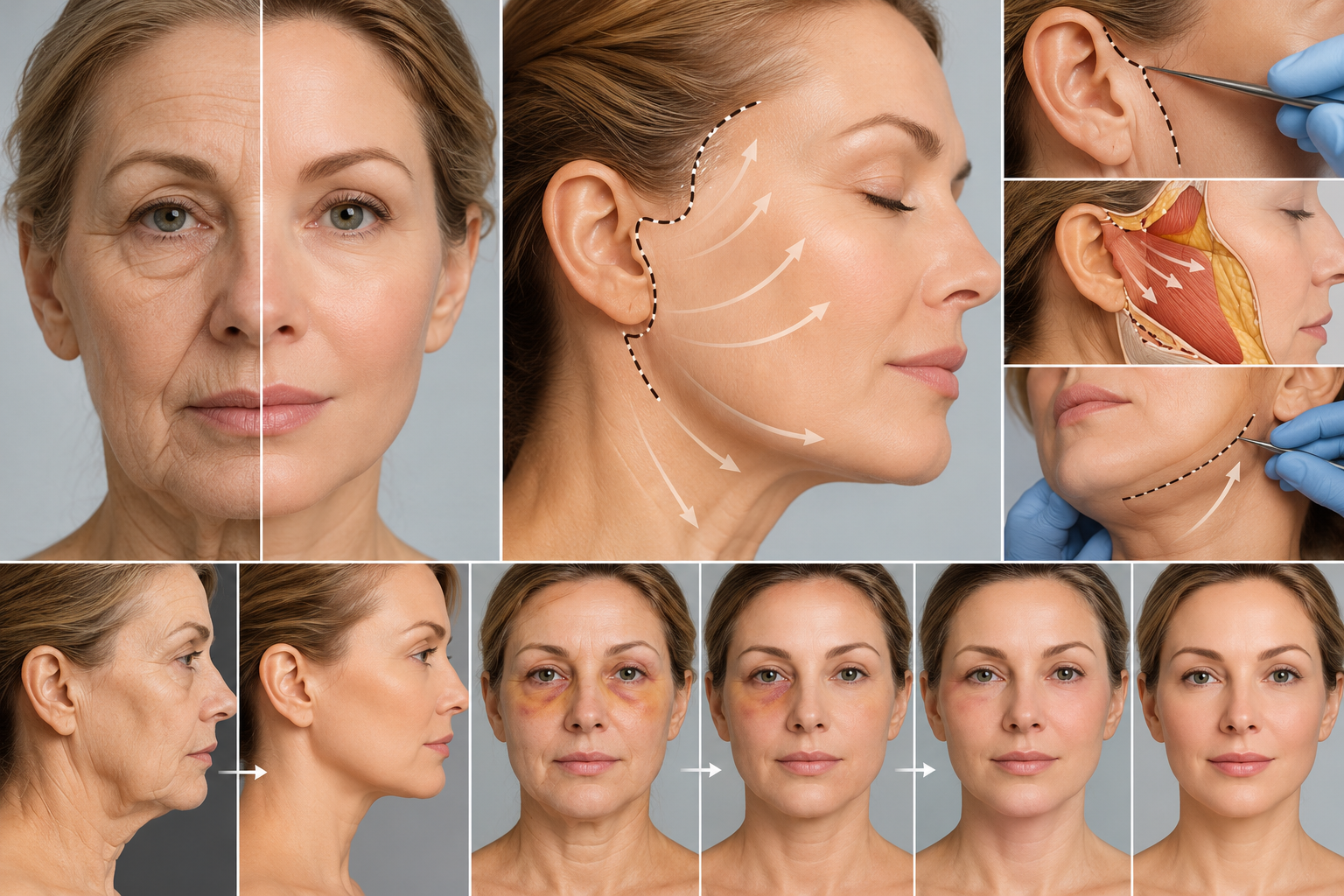
As we age, reduced skin elasticity, downward movement of facial tissues, and decreased collagen production can cause sagging, wrinkles, and changes in facial volume over time. Facelift surgery is one of the surgical methods used to reduce the appearance of these changes and help the face achieve a firmer appearance.
What Is Facelift Surgery?
Facelift surgery aims to surgically reposition sagging tissues, particularly in the cheek, jawline, and neck areas, and remove excess skin. The scope of the procedure may vary depending on the person's facial structure, skin elasticity, signs of aging, and expectations.
While a procedure targeting only certain areas of the face may be sufficient for some patients, in others, the face and neck may need to be evaluated and treated together.
Who May Be Suitable for Facelift Surgery?
Facelift surgery may generally be considered for adults who have noticeable sagging and looseness in the face and whose general health is suitable for surgery.
The decision to undergo surgery is not based solely on age. Skin characteristics, facial anatomy, general health, medications being used, and the person's expectations are also evaluated.
During the initial consultation, the doctor examines the face and neck and determines the individual's needs and the techniques that may be appropriate.
Which Areas Can Be Addressed During Facelift Surgery?
Depending on the scope of the procedure, the following areas may be evaluated:
Cheeks and mid-face,
Jawline,
Double chin and neck area,
Lower face.
In some cases, facelift surgery may be planned together with other aesthetic procedures, such as eyelid surgery or fat injection. However, which procedures are necessary should be determined following an individual medical examination.
What Should Be Considered Before Facelift Surgery?
A detailed consultation with the doctor is important before surgery. The doctor should be informed about medications being used, existing medical conditions, previous surgeries, and any allergies.
Since smoking can negatively affect the healing process, the doctor's recommendations regarding smoking before and after surgery should be followed.
It is also important to have realistic expectations. Facelift surgery does not stop the aging process; however, it may help reduce the appearance of existing sagging and looseness.
How Is Facelift Surgery Performed?
There is no single standard technique for facelift surgery. The surgeon determines the appropriate surgical technique according to the individual's facial anatomy and needs.
During surgery, the supporting tissues of the face may be repositioned, excess skin may be removed, and the skin may be reshaped into a more appropriate position. The location and length of the incisions vary depending on the technique used.
The duration of surgery may also vary depending on the scope of the procedure and any additional procedures performed at the same time.
What Is the Recovery Process Like?
Swelling, bruising, tightness, and sensitivity may occur in the face after surgery. How long these effects last varies from person to person.
Following the doctor's postoperative care instructions is an important part of the recovery process. Physical activities should be increased gradually, and follow-up appointments should not be missed.
During the early recovery period, activities that may strain the facial area and procedures not recommended by the doctor should be avoided.
Are There Risks Associated with Facelift Surgery?
As with any surgical procedure, facelift surgery may involve certain risks. Complications may include bleeding, infection, delayed wound healing, scarring, temporary or, rarely, permanent nerve effects, changes in sensation, and asymmetry.
Risks may vary depending on the person's health condition, the surgical technique used, and the scope of the procedure. Therefore, it is important to discuss possible risks in detail with the doctor before surgery.
When Are the Results of Facelift Surgery Visible?
The final appearance may not be immediately apparent after surgery because of swelling and edema. As healing progresses, the appearance of the face also changes.
Sufficient healing time is required to evaluate the results. The longevity of the results depends on many factors, including the aging process, skin characteristics, lifestyle, and genetic factors.
Facelift Surgery in Medical Tourism
For people planning to travel to another country for facelift surgery, comparing prices alone is not sufficient. The surgeon's experience, the standards of the hospital or clinic, postoperative follow-up services, and access to medical support in case of possible complications should also be evaluated.
Patients planning treatment abroad should clarify details such as the preoperative examination, treatment plan, length of hospital stay, transfers, and accommodation in advance.
Conclusion
Facelift surgery is a surgical procedure aimed at reducing the appearance of significant sagging and looseness in the face. Since each patient's facial structure and needs are different, the appropriate technique should be determined individually.
Before deciding to undergo surgery, obtaining a detailed evaluation from a specialist in plastic, reconstructive, and aesthetic surgery and learning about the benefits, limitations, risks, and recovery process of the procedure can help patients make an informed decision.
Related Articles
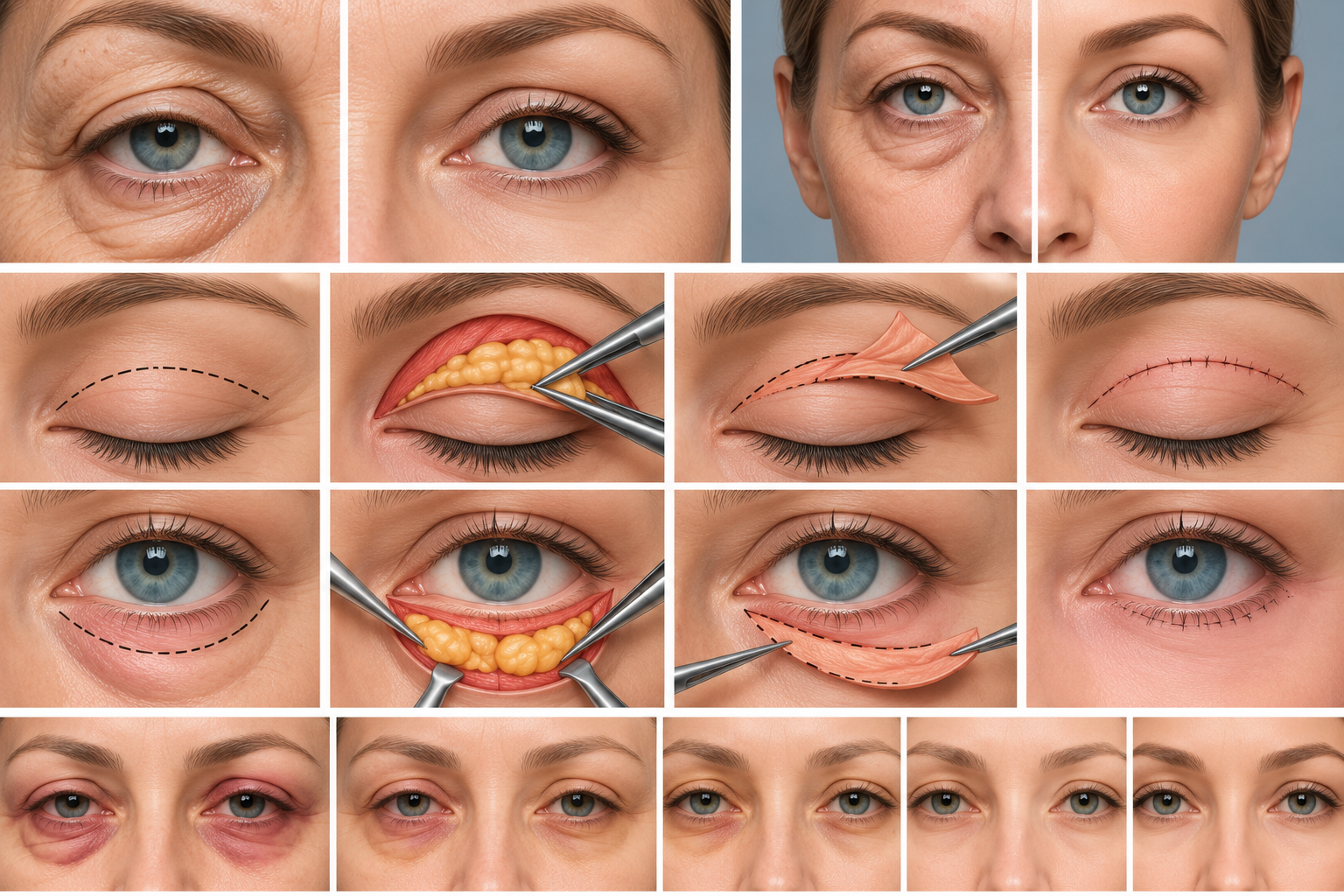
What Is Eyelid Surgery?
Eyelid surgery is a surgical aesthetic procedure aimed at reducing the appearance of excess skin, fat tissue, and sagging in the upper and lower eyelids caused by aging, genetic characteristics, or skin structure. The procedure may help the eye area appear more refreshed and balanced.
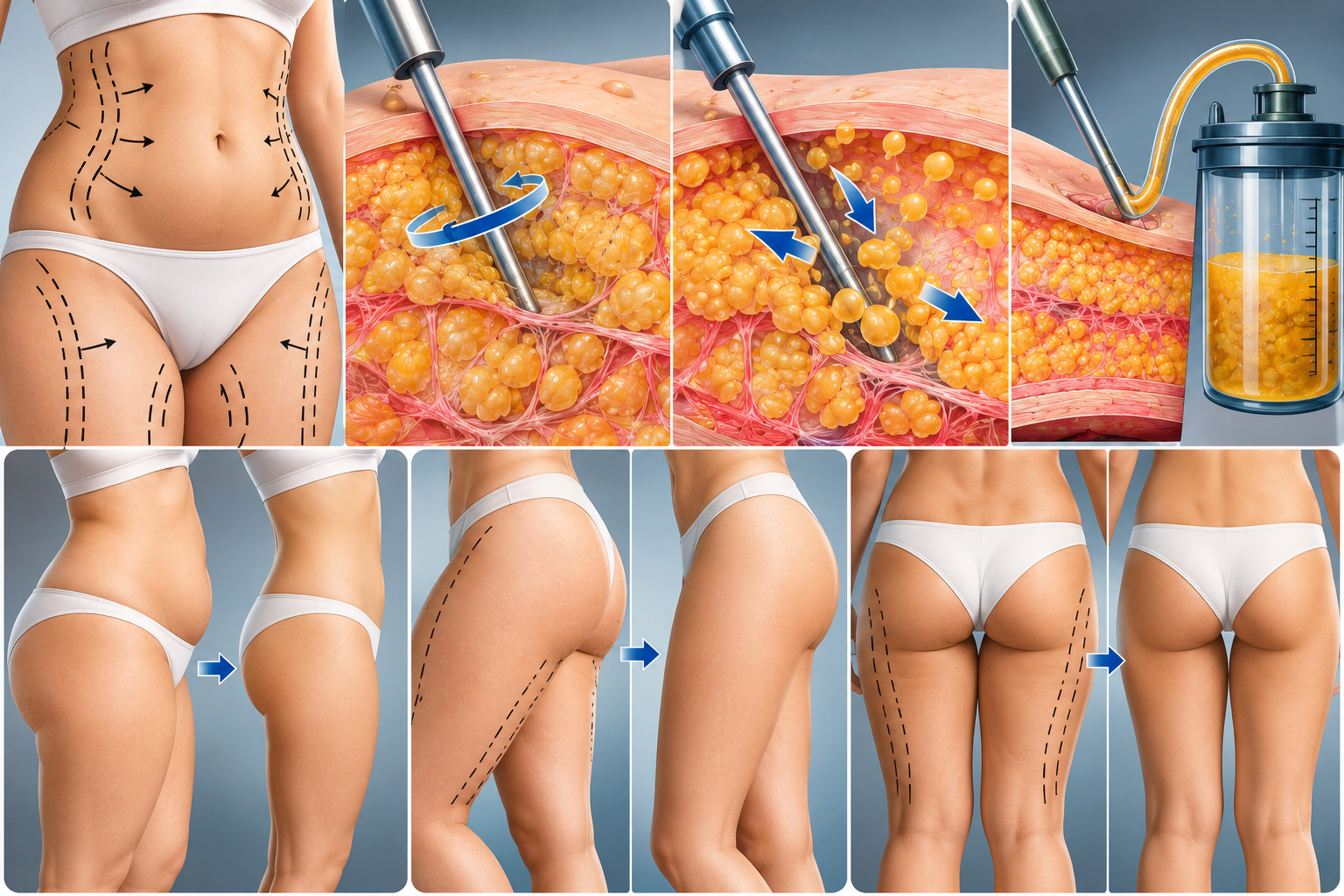
Liposuction: Removal of Localized Fat and Body Contouring
Liposuction is a surgical cosmetic procedure that aims to remove excess fat tissue that remains in certain areas despite diet and exercise, helping to contour the body. It can be performed on different areas such as the abdomen, waist, hips, thighs, arms, back and chin. Liposuction is not a weight-loss method; its primary purpose is to create a more balanced body contour.